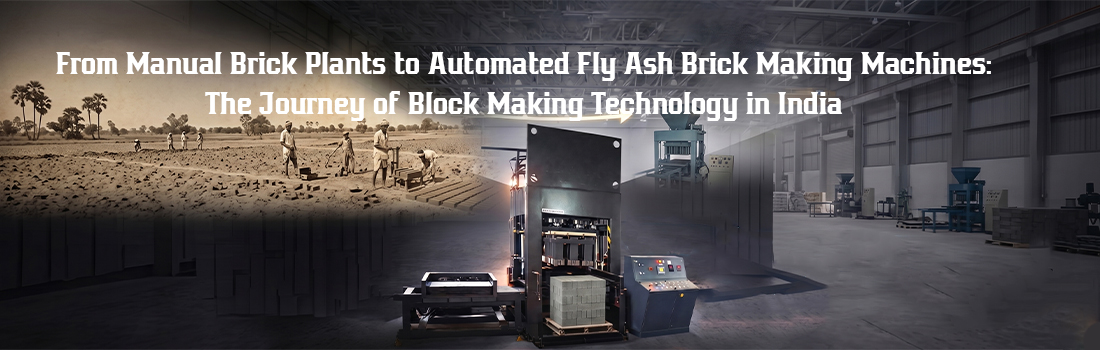
Fly Ash Brick‑Making Machines: Where Automation Meets Eco‑Friendly, Profitable Construction
Fly ash brick‑making machines are transforming India’s construction landscape by turning industrial waste into high‑strength, eco‑friendly building blocks. These bricks reduce reliance on traditional clay‑fired units, lower carbon emissions, and help meet evolving green‑building standards. Automation in mixing, compaction, and curing ensures consistent size, strength, and finish across every batch.
How Automation Boosts Profitability
Modern fully automatic fly ash brick‑making machines dramatically cut labour costs and downtime while increasing output. With precise hydraulic pressing and vibration technology, each cycle produces uniform bricks at high speed, minimizing wastage and rejects. This efficiency directly improves margins for contractors, small‑scale manufacturers, and block‑plant entrepreneurs investing in sustainable materials.
Sustainable Construction in Practice
By using fly ash—a byproduct of thermal power plants—these machines recycle waste that would otherwise pollute the environment. The result is lightweight, thermally efficient bricks that reduce dead weight in buildings while lowering construction costs. For developers and builders, this means compliant, eco‑friendly projects that align with green‑certification norms and rising demand for low‑emission infrastructure.
Benny Enterprises: Powering the Future of Brick‑Making
Benny Enterprises, a leading fly ash brick‑making machine manufacturer in Coimbatore, offers complete, automation‑ready systems for brick, block, and paver production. Their machines combine robust steel frames, high‑capacity pan mixers, and precision‑engineered hydraulic systems to deliver high‑output, low‑maintenance plants. By choosing a Benny automatic fly ash brick‑making machine, businesses transform labour‑intensive units into eco‑friendly, profit‑driven factories tailored for modern Indian construction.
Conclusion
Fly ash brick‑making machines represent the perfect intersection of automation, profitability, and sustainability. With advanced technology from trusted manufacturers like Benny Enterprises, builders and entrepreneurs can produce high‑quality, eco‑friendly bricks at scale—ensuring stronger structures today and a greener built environment tomorrow.