Fly Ash Brick Manufacturing: 7 Factors That Affect Brick Quality
Fly ash bricks are widely used in construction. They have a shape, high strength and great durability. They are also easy to make. If you want to produce high‑quality fly ash bricks, you must pay attention to factors: raw materials, mixing, moisture, machine pressure, mould condition and curing.
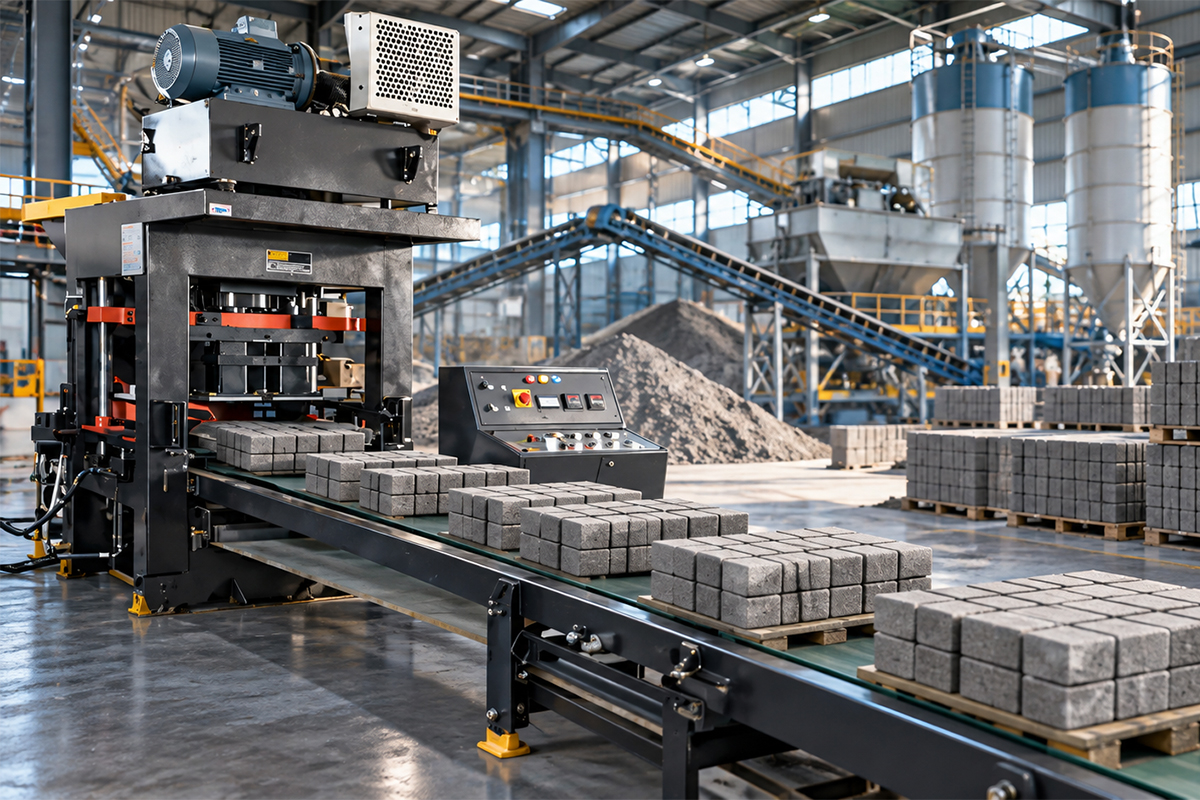
For manufacturers, choosing the equipment is also very important. A reliable fly ash brick making machine manufacturing setup keeps production steady and improves fly ash brick quality.
1. Quality of Fly Ash
The quality of fly ash directly affects how well a finished fly ash brick performs. Fly ash should have the properties and must be free from unwanted impurities. Using consistent-quality fly ash supports production. Proper storage prevents pollution. Keeps moisture levels under control.
2. Correct Raw Material Ratio
Fly ash bricks are usually made from fly ash, cement, sand or stone dust and water. I think it's important to keep the mix balanced if you want fly ash bricks. Wrong amounts affect the strength, weight, appearance and size of fly ash bricks.
3. Mixing
Proper mixing makes sure that fly ash, cement, aggregates and water are evenly distributed. If mixing is poor, the strength and appearance of fly ash bricks will vary. Good mixing equipment creates a mixture before the mixture enters the fly ash brick making machine.
4. Moisture Control
Water content is very important in fly ash brick production. The mixture needs the amount of moisture for proper shaping and pressing. If there is a lot of water, the shape of fly ash bricks can be affected and handling becomes difficult. If there is not water, bonding is poor. Proper moisture control keeps production consistent.
5. Machine Pressure and Compaction
Machine pressure influences the density and strength of finished fly ash bricks. A designed fly ash brick making machine gives effective compaction inside the mould. Consistent pressure produces fly ash bricks with size and density. Regular maintenance guarantees machine performance.
6. Mould Maintenance
The mould determines the shape and size of each fly ash brick. Damaged or worn moulds produce edges and wrong dimensions. Regular cleaning, inspection and maintenance keep shapes accurate and production consistent.
7. Proper Curing
Curing follows fly ash brick production and's essential. Fly ash bricks need curing conditions to develop adequate strength. Proper curing lets binding materials such as cement harden effectively. Manufacturers should use a curing method and give enough curing time.
Conclusion
Producing high‑quality fly ash bricks needs attention at every stage, from selecting materials and mixing to moulding, compaction and curing. Choosing machinery is equally important to keep production consistent. By focusing on these seven factors and using equipment, manufacturers can improve efficiency and produce durable uniform fly ash bricks for modern construction.